The Most Common Retirement Plan Mistakes and How to Avoid Them

Thoughtful Planning Shapes Better Outcomes
Retirement plans are long-term strategies that rely on careful design, ongoing attention, and informed decision-making. Here are some of the most common retirement plan mistakes we see, and how to avoid them…
When plans are set up with intention and managed with the right level of oversight, they support both business goals and employee outcomes. When key details are overlooked, the impact tends to surface later in the form of unexpected costs, compliance issues, or missed opportunities.
“The biggest way to get yourself in trouble in one of these plans is to move too fast and not fully analyze the actual design and what you’re putting into place.”
Understanding where these challenges typically arise creates a stronger foundation from the start.
Our very own Shawn Parker made 4 videos outlining each of these mistakes, check them out on our YouTube Playlist here:
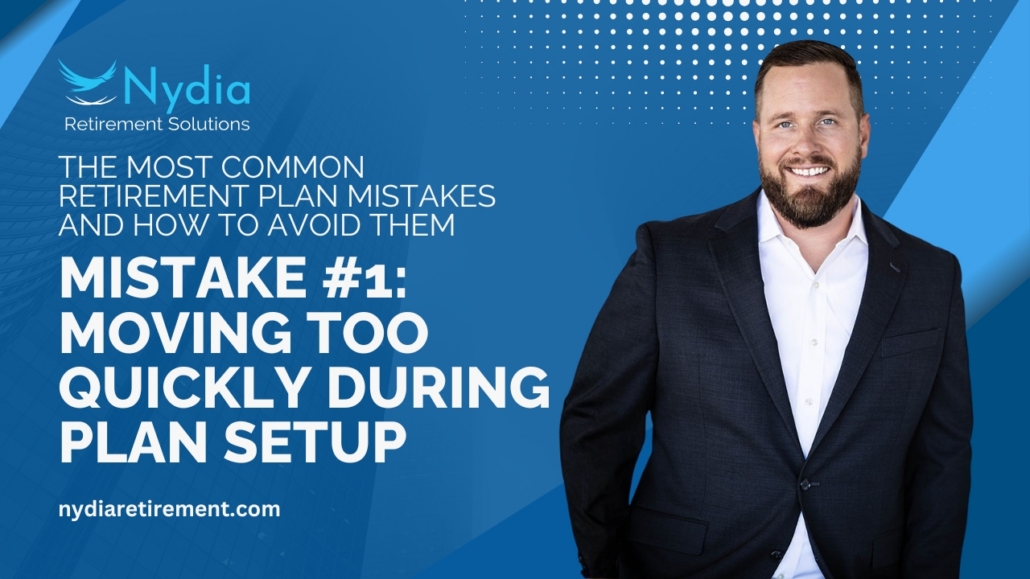
MISTAKE #1: Moving Too Quickly During Plan Setup
The early stages of a retirement plan carry the most influence over how the plan performs. Once the plan is in place, those provisions guide how the plan operates.
Plan documents define how contributions are calculated, how employees enter the plan, and how compliance requirements are met. When these decisions are made quickly without a full analysis, the structure may not align with the intended outcome.
“Once that document is written, you’re going to operate based on what that document says.”
A more deliberate approach during implementation allows for:
- Alignment with business goals and workforce structure
- Clear expectations around contributions and participation
- A stronger foundation for long-term performance
Time invested upfront supports a more stable plan over time.
MISTAKE #2: Evaluating Cost Without Considering Value
Cost is an important part of any retirement plan decision. It provides a benchmark for evaluating providers and fulfilling fiduciary responsibilities. A broader evaluation includes the level of service, the quality of plan design, and the support provided over time.
“Cost is important, but it’s not everything. You have to measure the actual service and functionality of the plan.”
When these elements are considered together, the plan becomes more than a line item. It becomes part of the business strategy.
A well-supported plan often includes:
- Ongoing guidance and oversight
- Thoughtful plan design aligned with goals
- Consistent administration and compliance support
MISTAKE #3: Missing Ongoing Compliance Requirements
Retirement plans come with ongoing filing and reporting requirements that evolve as the plan grows.
For solo 401(k) plans, one of the most common challenges arises when plan assets exceed $250,000. At that point, Form 5500 filings become part of the plan’s responsibilities.
When this threshold is not monitored, filings may be missed over multiple years. Addressing those gaps requires going back to prior years and completing the necessary administration.
“It can be a $150,000 per year penalty if the IRS catches it before you submit the late filing.”
Ongoing monitoring ensures the plan stays aligned with regulatory expectations.
- Timely filings and accurate reporting
- A clear compliance record for the plan
- Reduced administrative complexity over time
MISTAKE #4: Making Business Changes Without Reviewing the Plan
Retirement plans are closely connected to broader business decisions. Changes in compensation structure, entity type, or ownership can influence how the plan operates. Adjustments such as shifting income strategies or modifying compensation levels directly impact contribution calculations and plan testing.
“If you drop your income too low, your contribution goes away.”
When these decisions are reviewed alongside the retirement plan, the outcomes remain aligned. Early conversations create more predictable results.
- Consistent contribution strategies
- Balanced outcomes between owners and employees
- A plan that reflects the current structure of the business
Preparing for Business Transitions
Mergers, acquisitions, and ownership changes introduce additional considerations for retirement plans.
When two organizations come together, their plans may need to be evaluated, aligned, or tested as part of a combined structure. Planning ahead allows these transitions to be managed with greater clarity.
“The 401(k) is out of sight, out of mind… until it’s not.”
Preparation supports a smoother transition and reduces complexity after the transaction is complete.
- Reviewing plan documents before transactions
- Understanding how plans will interact post-transaction
- Preparing for testing and compliance requirements
Building a Stronger Plan Moving Forward
Retirement plans benefit from a combination of thoughtful design, ongoing monitoring, and informed decision-making.
By taking the time to evaluate key decisions, maintain compliance, and align the plan with broader business strategies, employers create a structure that supports long-term success.
Small decisions made early can carry forward in meaningful ways. With the right approach, those decisions create clarity, stability, and a plan that continues to support the business over time.
That focus on alignment and forward planning will continue to shape how retirement plans are built and how they deliver value in the years ahead.

